Easy Nordic Hook Club Dishcloth: Free Crochet Pattern
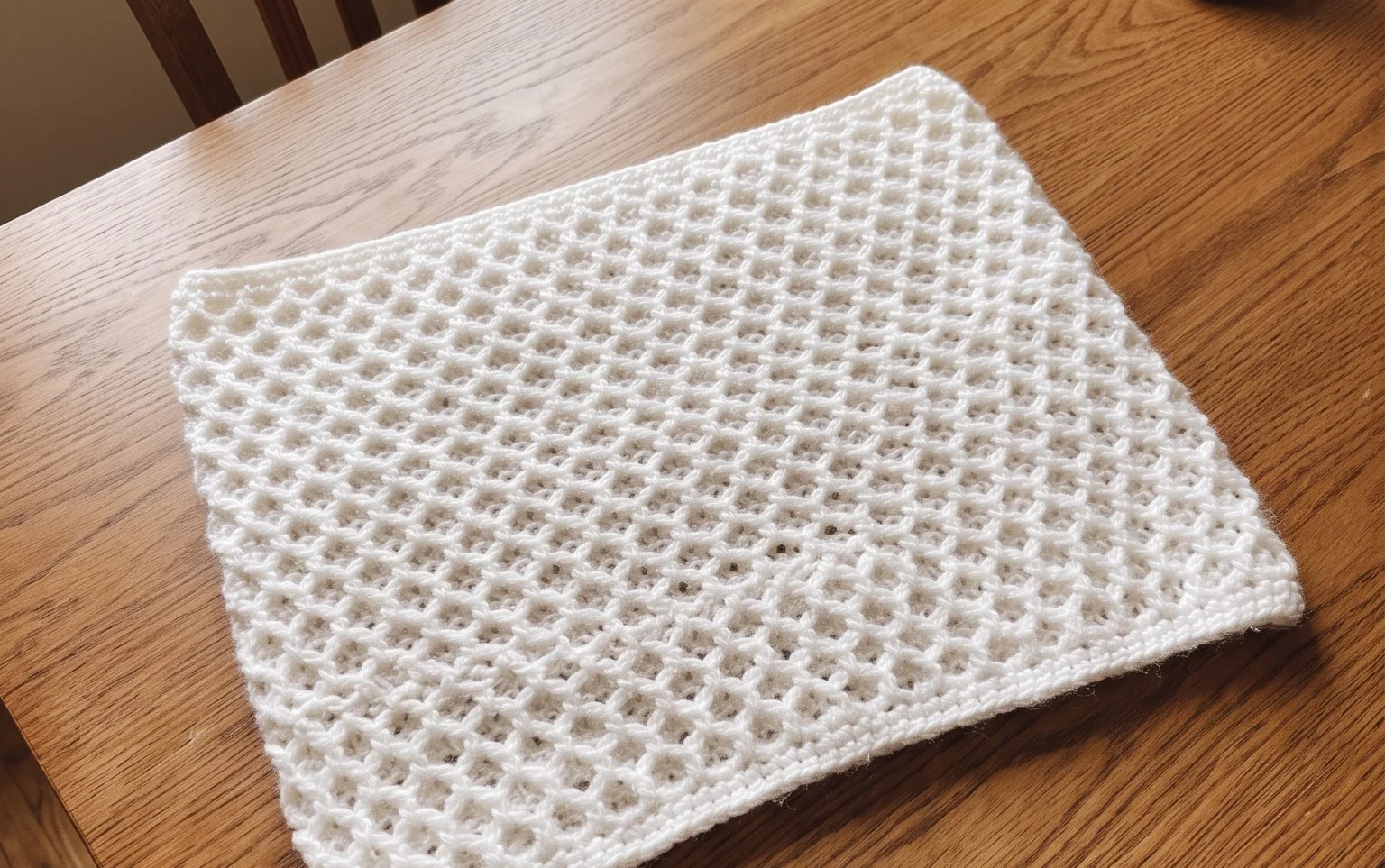
A stiff cotton dishcloth provides the most satisfying scrub for stubborn kitchen messes, feeling firm and dense under your palms while you work. The Nordic Hook Club pattern focuses on a simple ridge technique that mimics traditional woven textures, making it a reliable choice for beginners who want to build rhythm. You will quickly learn how to alternate basic stitches to create a thick fabric that handles hot surfaces and heavy rinsing without losing shape. This project is a great way to practice tension control while crafting a functional item for your home or a handmade gift.
Why Crocheters Love It
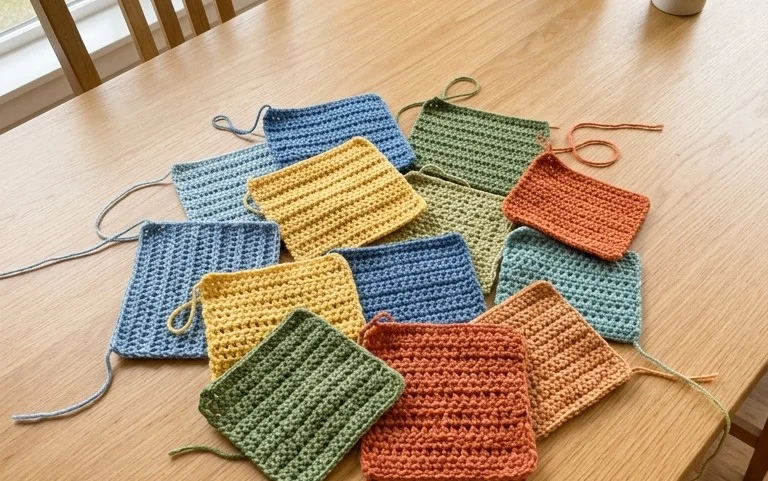
This classic crochet dishcloth pattern uses a simple textured stitch pattern that creates ridges for scrubbing stubborn spots off plates and cookware. Because it relies on basic stitches like the single crochet and half double crochet, it works up quickly even for those new to the craft. The small size makes it an excellent portable project for commuting or waiting rooms. You can finish one in an evening, providing a satisfying sense of progress without a long-term time commitment.
The texture holds up well to frequent washing and vigorous use. Using cotton yarn ensures the fabric remains absorbent and heat resistant, which is essential for kitchen tasks. Once you master the alternating stitch pattern, the repetitive nature becomes meditative and relaxing.
I managed to finish three of these over the weekend and they are so much more durable than the store-bought sponges I usually keep in the kitchen sink.
— Sarah, home crafter
Pattern Overview & Skill Level
- Skill Level: Beginner
- Approximate Time: 1 to 2 hours per cloth
- Construction: Worked in flat rows
- Finished Dimensions: 8 inches by 8 inches
Materials & Supplies Needed
- Yarn: Worsted weight (#4) 100% cotton yarn, approximately 60 yards per dishcloth.
- Hook Size: 5.0 mm (US H-8).
- Notions: Tapestry needle for weaving in ends, scissors.
- Yarn substitutions: Linen or bamboo-cotton blends work well for added durability. Avoid acrylic yarns as they do not absorb water effectively and can melt if they touch a hot pan. Switching to a DK weight yarn will result in a smaller, thinner cloth unless you increase your starting chain count.
Stitch Guide & Abbreviations (US Terms)
- ch = chain
- st/sts = stitch/stitches
- sc = single crochet
- hdc = half double crochet
- sk = skip
- turn = turn your work
- YO = yarn over
Step-by-Step Pattern Instructions
The pattern is worked back and forth in rows. The turning chain does not count as a stitch.
- Row 1: Ch 30. Sc in second ch from hook and in each ch across. (29 sts)
- Row 2: Ch 1, turn. Hdc in each st across. (29 sts)
- Row 3: Ch 1, turn. Sc in each st across. (29 sts)
- Rows 4–30: Repeat Rows 2 and 3 until the piece measures 8 inches square.
- Finishing: Fasten off, leaving a 6-inch tail. Use the tapestry needle to weave the tail back and forth through the base of the stitches to secure it.
Care & Washing Instructions
- Machine wash in warm water on a gentle cycle.
- Tumble dry on low heat or lay flat in a ventilated area to prevent mildew.
- Reshape the square by pulling gently on the corners while damp to maintain the original dimensions.
Pro Tips & Common Mistakes to Avoid
Maintain consistent tension throughout the project to keep the edges straight; if you find your cloth is narrowing, you are likely pulling the yarn too tightly on the end stitches. Always place a stitch marker in the first stitch of each row to help you identify where to insert your hook, ensuring you do not accidentally drop or add stitches at the edges. Weave your yarn tails in at least three different directions through the fabric to prevent them from unraveling after repeated trips through the washing machine. If you wish to make the dishcloth larger, increase your starting chain by an odd number, though keep in mind this will require more yarn than the 60 yards suggested.
Frequently Asked Questions
Can I use a larger hook for this pattern?
Using a larger hook will make the fabric feel looser and more holey, which may reduce its scrubbing effectiveness. Stick to a 5.0 mm hook for a dense, durable kitchen tool.
Is this pattern suitable for someone who has never crocheted before?
Yes, this is an ideal first project. It focuses on the two most fundamental stitches in crochet and requires no shaping, increasing, or decreasing.
Why does my dishcloth look like a trapezoid instead of a square?
This usually happens when you accidentally skip the first or last stitch of a row. Counting your stitches at the end of every row ensures the sides stay parallel.
Can I sell the dishcloths I make from this pattern?
You are welcome to sell finished items made from this design. I appreciate credit back to this tutorial if you choose to list them in an online shop.
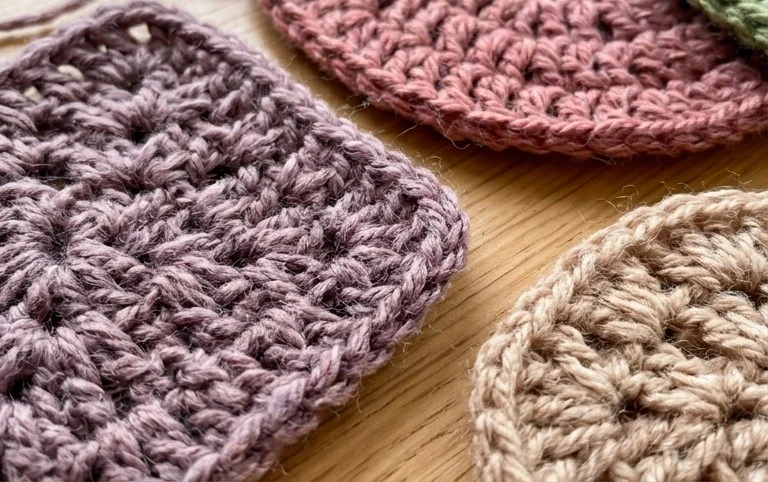
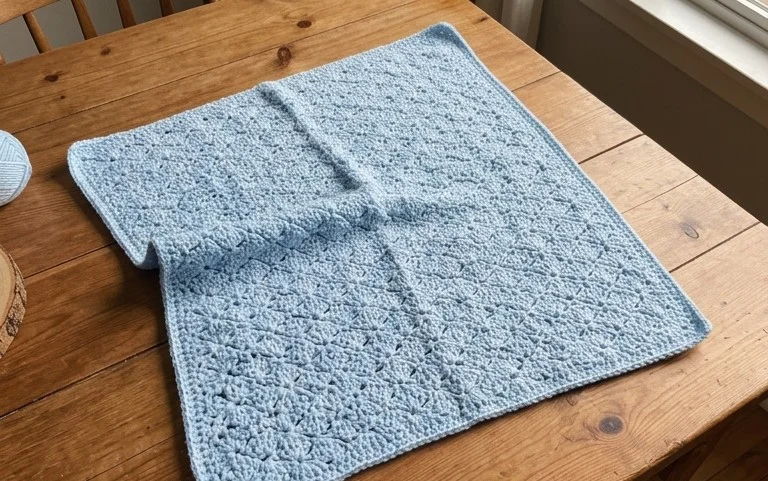
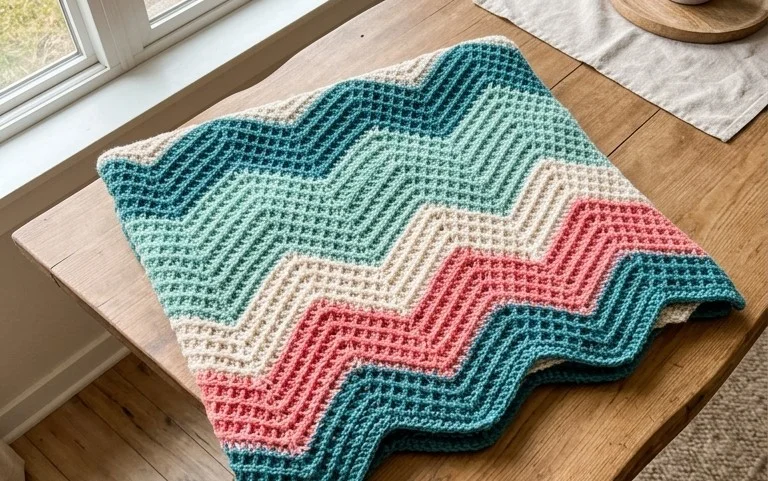
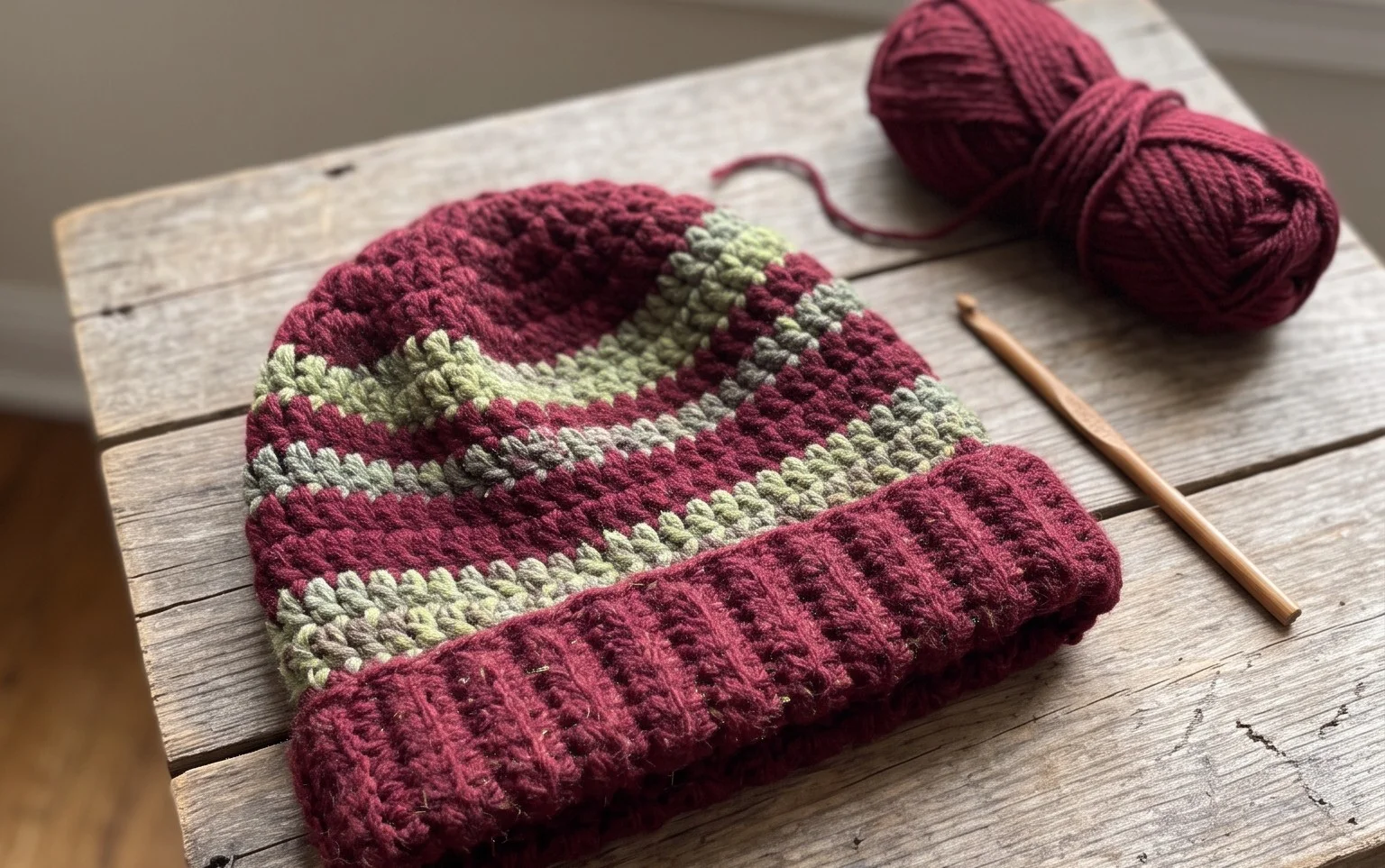
Your finished dishcloth will feel sturdy and ready for hard work, showing off those clean ridges that make scrubbing so effective. Try using a variegated cotton yarn for your next one to see how the color shifts across the simple texture. Once you have a stack ready for your kitchen drawers, take a quick photo of your work and post it online to show the community what you created. Check back at the blog soon to browse more free patterns for your home and hobby.