Easy Bat Crochet Patterns for Halloween Decor and Gifts
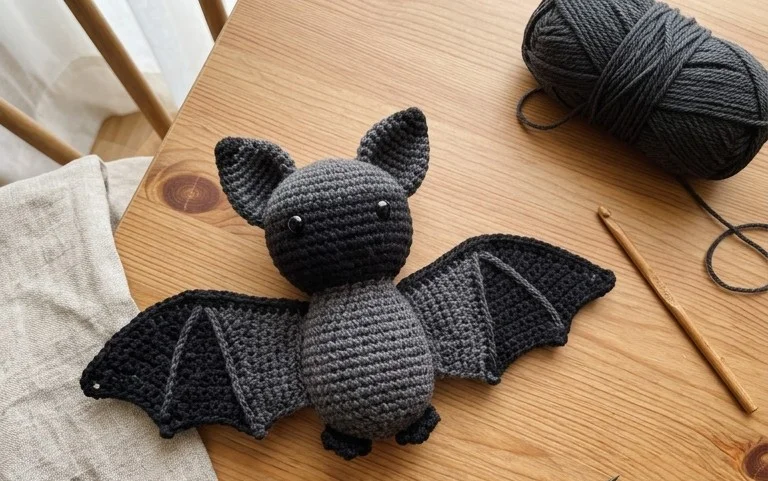
Soft yarn wings, tiny pointed ears, and a little pair of fangs give crocheted bats their spooky-cute look. These projects suit beginners learning to crochet in the round as well as experienced makers who want a quick Halloween decoration or a handmade gift. A small amigurumi bat can hang from a shelf, sit beside a bowl of candy, or join a seasonal garland, while larger versions make cuddly companions for children. You’ll find ideas for different shapes and sizes, along with guidance on single crochet, shaping, and attaching details neatly. Working a bat is satisfying because a few simple pieces come together into a character with plenty of personality. Choose a favorite yarn color, take your time with the small stitches, and you’ll have a handmade decoration ready to bring out each October.
Why You’ll Love This Pattern
A firm cotton dishcloth is useful at the sink, and this one is made from simple single crochet rows. The straight edges make it a good first project for learning to keep an even stitch count, while the small size means you can finish it in a few relaxed sessions.
The pattern uses about 80 yards of worsted cotton, so it can use up a partial skein. The close single crochet fabric is sturdy and absorbent, and the square shape is easy to fold for storage or bundle with kitchen supplies as a practical gift.
The rows were easy to count, and the cotton cloth came out firm enough for everyday washing. I liked being able to finish it without changing stitches.
— Sample maker, illustrative review
No focus keyword or source pattern details were included with the request, so this guide provides a complete beginner dishcloth pattern with its own materials, gauge, and stitch counts.
Pattern Overview & Skill Level
- Skill Level: Beginner. The cloth uses chain stitches and single crochet in straight rows.
- Approximate Time: About 2–3 hours, depending on your pace and how often you stop to check your stitch count.
- Construction: Worked flat in rows from the lower edge upward, with a turning chain at the end of each row. There is no separate border or seam.
- Finished Dimensions & Sizing: About 7.5 inches wide by 6 inches tall after washing and laying flat. The dimensions assume a gauge of 4 single crochet stitches and 5 rows per inch.
Gauge is measured in single crochet after gently washing and drying a swatch. If your swatch has more than 4 stitches across 1 inch, try a larger hook. If it has fewer, try a smaller hook. Matching the row gauge helps the cloth reach the stated height.
Materials & Supplies Needed
- Yarn: About 80 yards of worsted-weight cotton yarn, commonly labeled medium or #4. Choose one color, or use a leftover amount in a single shade. Cotton absorbs water and holds up well to regular washing.
- Hook Size: 5.0 mm / H-8. Check your gauge; change hook size if needed to match the fabric and measurements.
- Notions: Tapestry needle for weaving in the starting and ending tails, scissors, and optional locking stitch markers to mark the first and last stitch of a row.
- Substitutions: A cotton-linen blend can make a slightly textured cloth. A cotton-bamboo blend may feel softer and drape more, but can stretch after washing. Use a yarn with similar thickness and recheck gauge; a different yarn weight or fiber can change the finished size, absorbency, and yardage needed.
Stitch Guide & Abbreviations (US Terms)
- ch: Chain.
- sc: Single crochet. Insert the hook into the stitch, yarn over and pull up a loop, then yarn over and pull through both loops on the hook.
- st: Stitch.
- sts: Stitches.
- turn: Rotate the work to begin crocheting back across the row.
The turning chain does not count as a stitch in this pattern. Work the first single crochet into the first stitch at the base of the turning chain, and work the last single crochet into the final stitch of the previous row.
Step-by-Step Pattern Instructions
Dishcloth
Foundation: Ch 31. Keep the chain relaxed so the lower edge does not pull in. If your chain is unusually tight, make it with a hook one size larger, then switch back to the 5.0 mm hook for Row 1.
Row 1: Sc in the second ch from the hook and in each ch across. Turn. (30 sts)
Row 2: Ch 1, sc in each st across. Turn. (30 sts)
Rows 3–30: Repeat Row 2, keeping 30 sc in every row. The turning chain does not count as a stitch. At the end of Row 30, fasten off, leaving a tail about 6 inches long. (30 sts each row)
Finishing: Thread the tail onto a tapestry needle. Weave it through the backs of several stitches, change direction, and weave through a few more stitches so it stays secure. Repeat with the starting tail. Trim the yarn close to the fabric without cutting into the stitches. Wash and dry the cloth according to the yarn label, then lay it flat and straighten the edges.
Care & Washing Instructions
- For 100% cotton yarn, machine wash with like colors in cool or warm water, up to 40°C / 104°F; check the yarn label before washing a blend.
- Dry flat or tumble dry on low if the yarn label allows it. High heat can shrink cotton or affect blended fibers.
- After washing, lay the cloth flat and gently reshape the corners and edges; blocking is usually unnecessary for a dishcloth.
Pro Tips & Common Mistakes to Avoid
- Keep the tension even: Make the foundation chain with a relaxed hand. If the bottom edge is tighter than the rest, the cloth will narrow at that edge.
- Count across each row: Check for 30 stitches before turning. A marker in the first and last stitch can help you spot the edge stitches, which are easy to miss when the fabric is short.
- Hide the tails securely: Weave each tail through the backs of stitches in more than one direction. A short tail woven through only one row can work loose after repeated washing.
- Change size with the chain and row count: To make the cloth wider, add chains before Row 1, keeping one chain for turning and working sc into the remaining chains. Each extra stitch adds roughly ¼ inch at the stated gauge and uses more yarn. Add or remove rows to change the height.
Frequently Asked Questions
Can I use acrylic yarn instead of cotton?
You can, but acrylic usually absorbs less water than cotton and may feel less suited to wiping dishes. If you substitute it, check the care label and make a small swatch first because the fabric may have a different stretch and texture.
How do I make a larger dishcloth?
Add chains to the foundation for more width, and work additional rows for more height. Keep one fewer single crochet than the number of foundation chains, because the first chain is skipped for Row 1. A larger cloth uses more yarn and takes longer to dry.
Is this pattern suitable for a first crochet project?
Yes. It uses only chains and single crochet, with no shaping, color changes, or sewing. The main skill to practice is placing the first and last stitch of every row so the edges stay straight.
May I sell dishcloths made from this pattern?
Check the designer’s terms before selling finished items. If you sell your own work, describe the yarn and care instructions accurately, and do not claim authorship of someone else’s pattern.
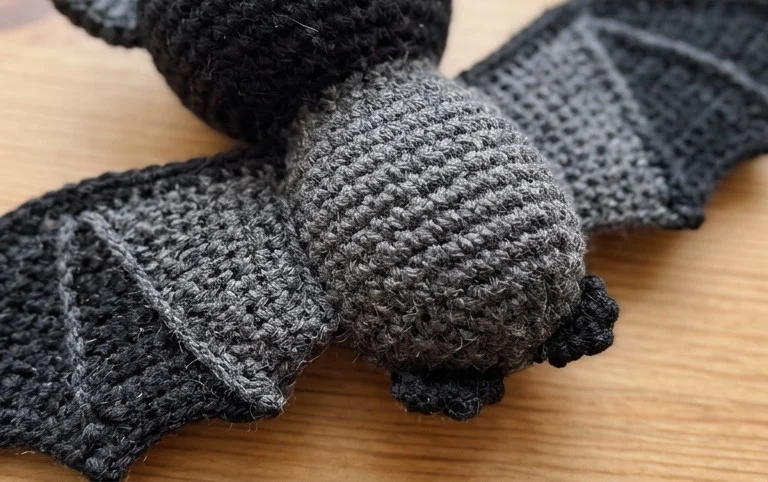
A finished crochet bat brings a bit of handmade charm to a Halloween shelf, party table, or gift bag, and the small details make each one feel like its own character. For a simple variation, use lavender or deep purple yarn instead of black, keeping the same shape and features for a softer spooky look. If you make one, share a photo on Pinterest or your favorite social media platform so other crocheters can see your color choices and finishing touches. You can also explore more free patterns on the blog for seasonal decorations, small amigurumi, and thoughtful handmade gifts to enjoy throughout the year.