Easy DIY Paint Palette Ornament Free Crochet Pattern
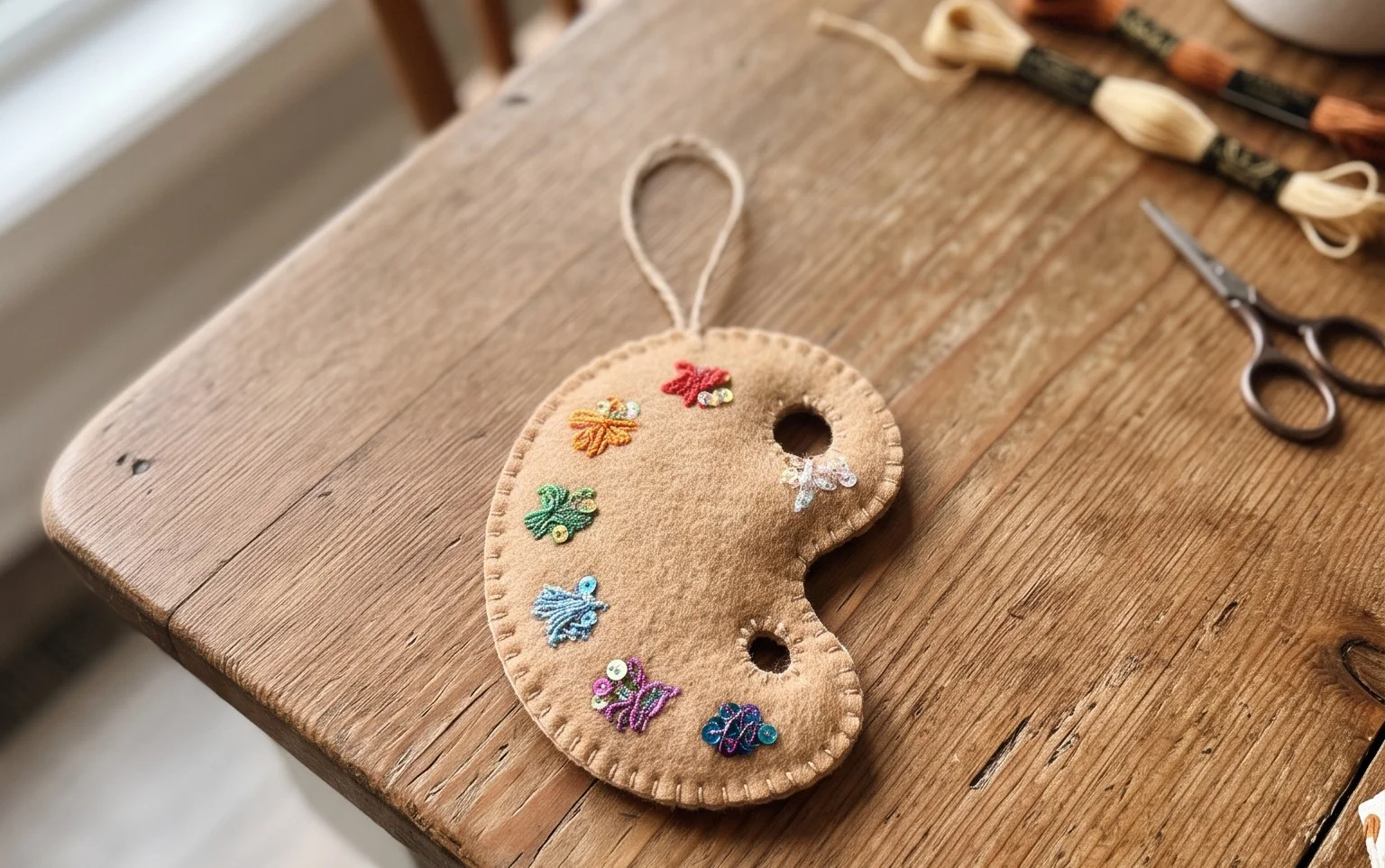
These miniature wooden-style palettes hang beautifully on a holiday tree or brighten up a studio wall with their cheerful, artistic flair. Crocheting this small ornament requires just a few yards of scrap yarn and basic shaping, making it a quick project for anyone wanting to create handmade gifts or custom office decor. You will work in small rounds to form the signature oval shape, using simple increases to keep the flat surface smooth and even. Beginners can master the basic stitches while those with more experience will enjoy how fast these come together for seasonal crafting.
Why You’ll Love This Pattern
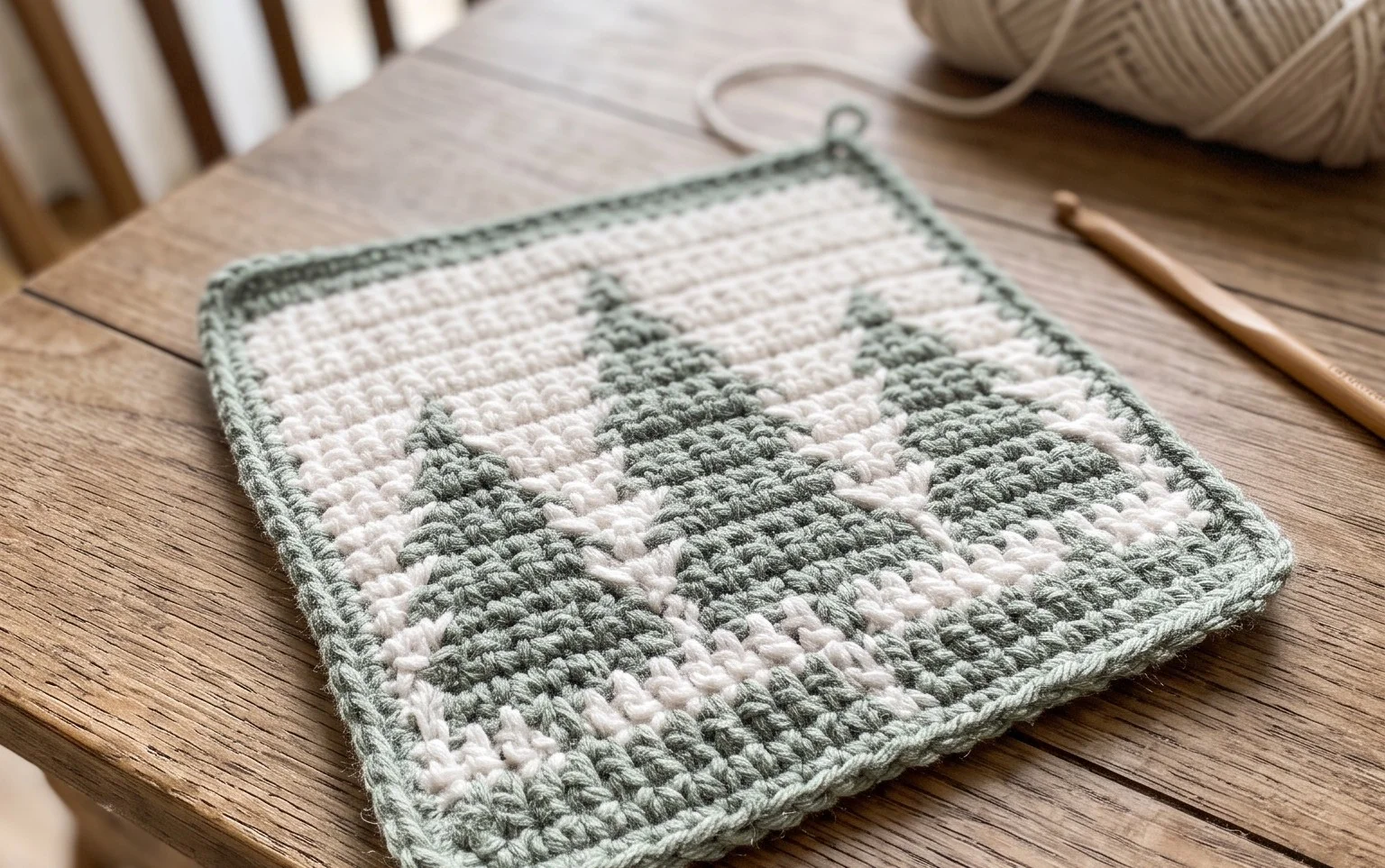
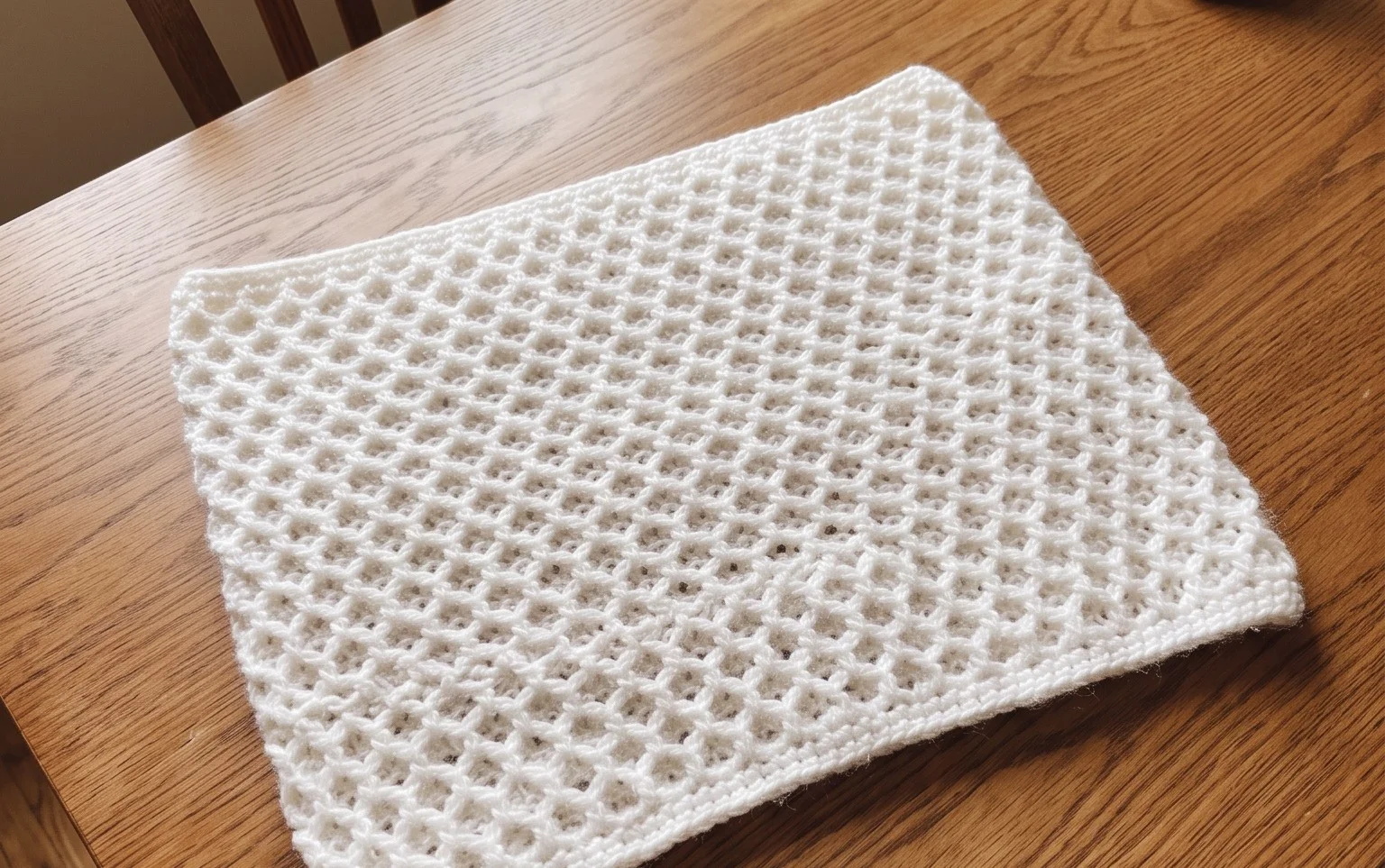
This classic crochet dishcloth is designed to be the ultimate workhorse in your kitchen. Using a durable cotton blend, the texture created by the alternating stitch pattern provides enough friction to scrub away dried food while remaining gentle enough for non-stick cookware. Because the pattern relies on a simple two-row repeat, it is an ideal project for practicing consistent tension while catching up on your favorite television show. It is also a highly efficient way to use up leftover yarn from larger projects, as each square requires less than one standard skein.
I managed to finish three of these in a single weekend. They hold up much better in the wash than the store-bought sponges I used to buy, and the texture is exactly what I needed for cleaning stubborn pans.
— Sarah, home cook
Pattern Overview & Skill Level
- Skill Level: Beginner
- Approximate Time: 45–60 minutes per square
- Construction: Worked in rows from the bottom up, finishing with a simple border
- Finished Dimensions: 8 inches by 8 inches
Materials & Supplies Needed
- Yarn: Worsted weight (#4) 100% cotton yarn, approximately 60 yards per dishcloth.
- Hook Size: 5.0 mm (US H-8) crochet hook.
- Notions: Tapestry needle for weaving ends and sharp scissors.
- Yarn Substitutions: You can use a cotton-acrylic blend, though 100% cotton offers the best absorbency and heat resistance. Avoid wool or synthetic acrylic as they do not absorb water well and may melt if used to handle hot cookware.
Stitch Guide & Abbreviations (US Terms)
- ch: Chain
- st/sts: Stitch/stitches
- sc: Single crochet
- dc: Double crochet
- sk: Skip
- YO: Yarn over
- Turning ch: The chain at the start of a row that brings your hook to the height of the next row.
Step-by-Step Pattern Instructions
Main Body
Start by creating a foundation chain of 31.
- Row 1: Sc in the second ch from the hook and in each ch across. (30 sts)
- Row 2: Ch 1, turn. Sc in the first st, dc in the next st, sc in the next st—repeat from * to * across until the end of the row. (30 sts)
- Row 3: Ch 1, turn. Sc in each st across. (30 sts)
- Rows 4–30: Repeat Rows 2 and 3 until the piece measures approximately 7.5 inches long.
Border & Finishing
- Border: Do not fasten off after the final row. Ch 1, turn and work 1 round of sc evenly around the entire perimeter of the square. Place 3 sc in each corner to ensure the fabric lays flat without curling.
- Closing: Join with a sl st to the first sc of the border. Fasten off and leave a 6-inch tail.
- Weaving Ends: Use a tapestry needle to weave the yarn tail securely into the back of the work to prevent it from unraveling during machine washing.
Care & Washing Instructions
- Machine wash in warm water on a gentle cycle to preserve the fiber integrity.
- Tumble dry on low heat or lay flat on a clean towel to air dry completely.
- Avoid using fabric softener, as it creates a film on the cotton fibers that reduces the absorbency of the cloth.
Pro Tips & Common Mistakes to Avoid
One common mistake for beginners is accidentally increasing or decreasing the stitch count at the ends of rows. Always count your stitches at the end of every row to ensure you maintain exactly 30 stitches; using a stitch marker at the start of each row can help you identify your turning chain versus your first working stitch. If your dishcloth feels too stiff, try moving up to a 5.5 mm hook to create more drape. If you wish to make the cloth larger, simply increase your foundation chain by an even number, which will require slightly more yardage. Finally, always weave your ends in the direction of the stitches rather than across them to ensure the tail stays locked in place during heavy use.
Frequently Asked Questions
Can I substitute a different yarn weight?
Changing to a DK or bulky weight yarn will significantly alter the final size of the dishcloth and the density of the fabric. If you switch to a lighter or heavier weight, adjust your starting chain and row count until you reach your desired 8-inch width.
Is this project suitable for a complete beginner?
Yes, this project is ideal for someone who has just learned the basic single crochet and double crochet stitches. It requires no complex shaping or color changes, allowing you to focus purely on your tension.
Can I sell the dishcloths I make from this pattern?
You are welcome to sell finished items made from this design in small quantities. Please provide a link back to this tutorial if you are selling them online to credit the design source.
Why is my dishcloth curling at the edges?
Curling usually occurs if the tension is too tight or if the border was worked without enough stitches in the corners. Ensure you are placing 3 sc in each corner and try to keep your stitches relaxed to prevent the edges from pulling inward.
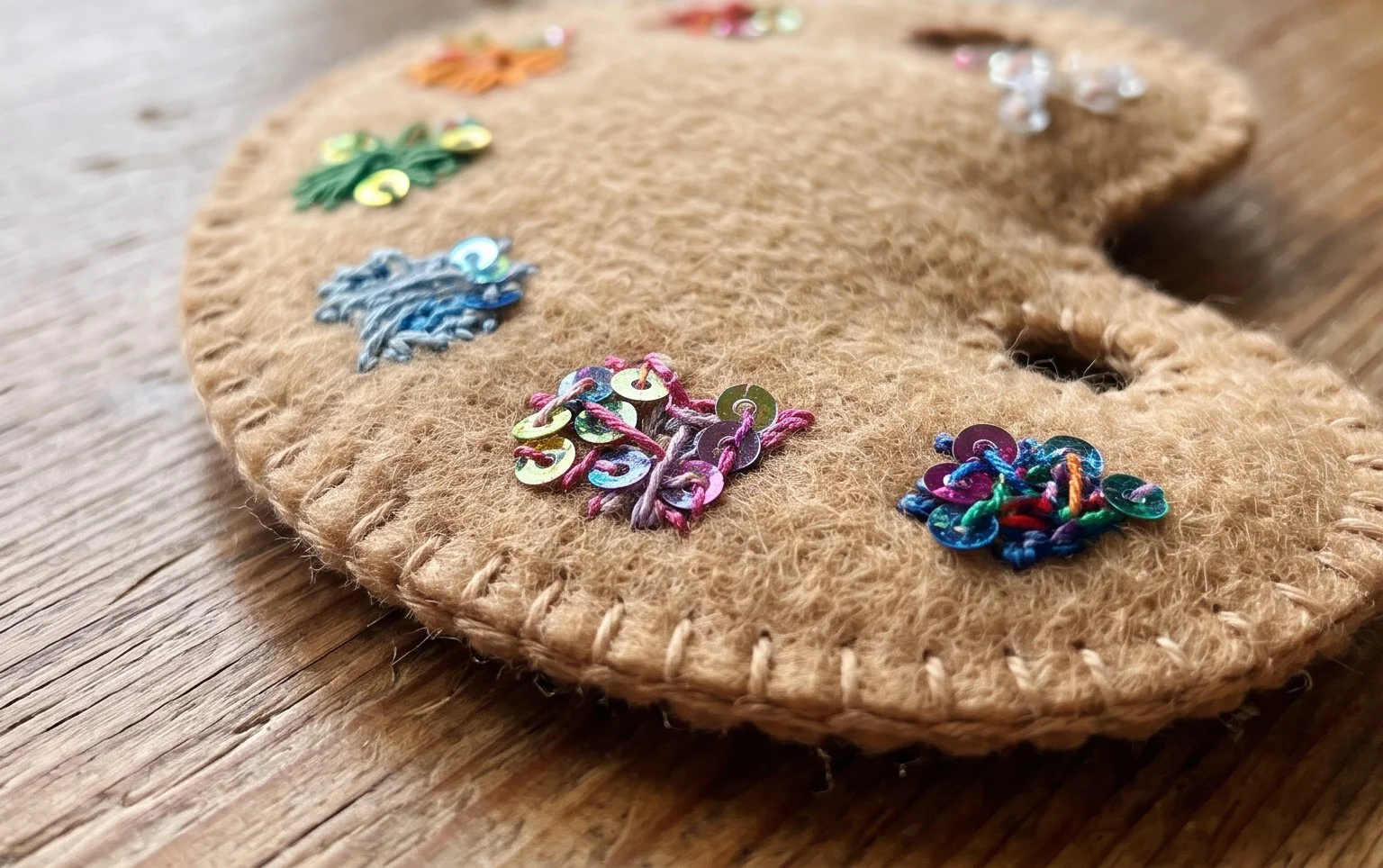
Your finished palette looks lovely hanging from a branch, bringing a touch of handmade charm to your creative space. You can easily adjust the size by using a smaller hook or finer thread if you prefer a tiny charm for a backpack zipper. Share a photo of your colorful project on social media to inspire other makers in the community. Head back to the main blog archive to discover more free patterns for your next quiet afternoon of crafting and yarn exploration.