Easy Crochet Nine Patch Quilt Block: Beginner Guide
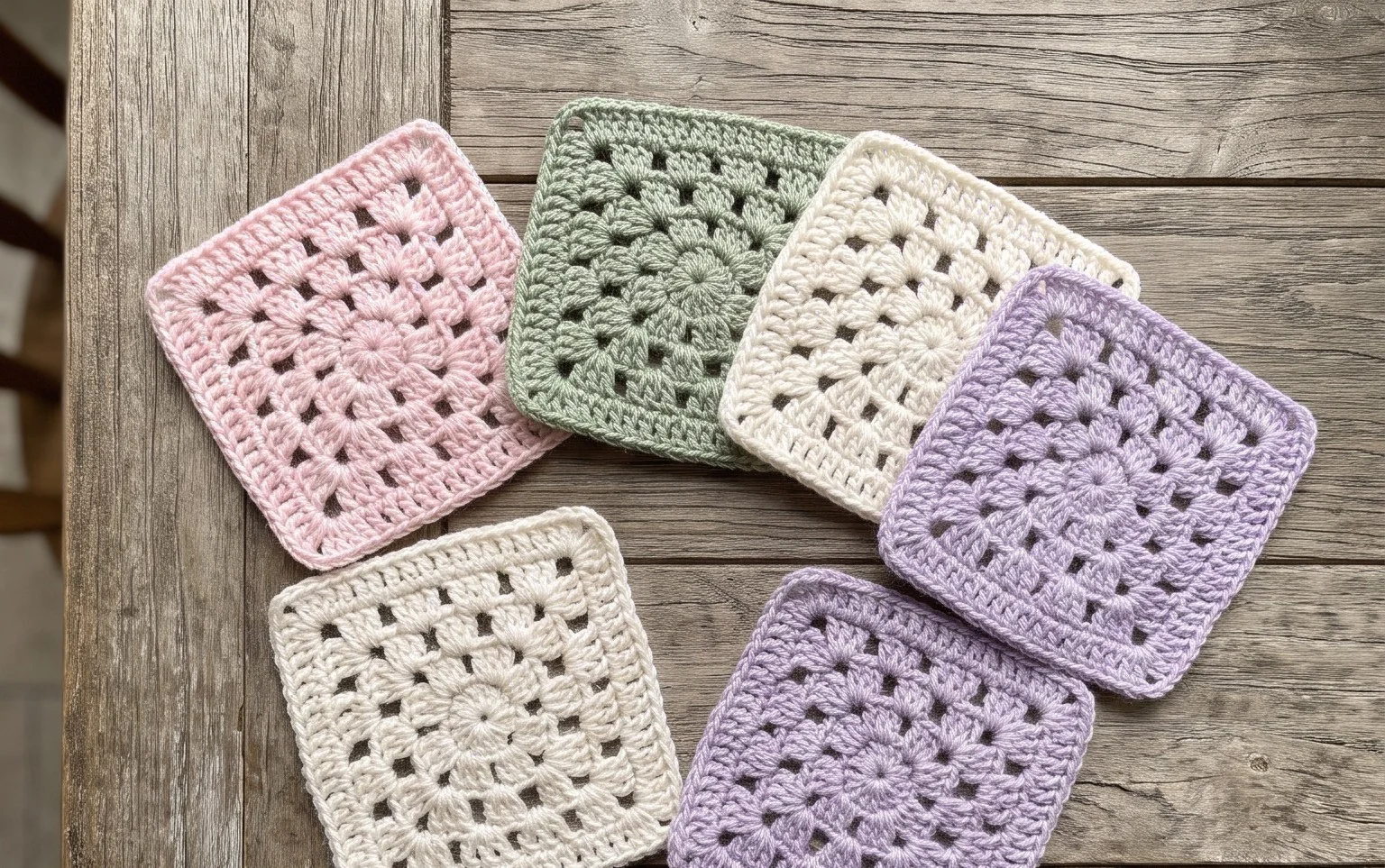
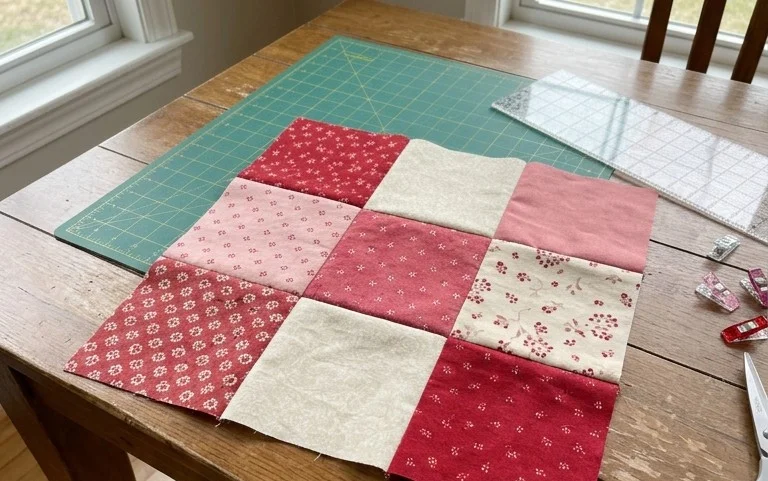
Nine small crochet squares arranged in a tidy grid give a Nine Patch block its familiar quilt-inspired look, with a soft, slightly raised texture that feels right at home in a cozy room. This project suits beginners who are ready to practice keeping their stitches even, as well as gift makers and home decor lovers who enjoy handmade pieces with a classic feel. The repeated squares make the design satisfying to build, and each section gives you a clear place to check your progress. You’ll learn how color changes and neat joins help the nine patches read as one finished block. Take your time with the edges, and the simple layout can become a cushion front, a wall hanging, or part of a larger blanket.
Why You’ll Love This Pattern
A firm cotton fabric makes this crochet dishcloth useful for wiping counters, washing dishes, or keeping beside the sink. The pattern uses single crochet in straight rows, so you can focus on even edges and steady tension without learning shaping. One skein of worsted cotton is enough for a cloth, and the simple rectangle is easy to finish in an evening. Its plain texture also makes it practical for everyday use, since it can go through regular laundry.
A crocheter who finished the cloth might describe it this way:
The rows were easy to keep track of, and the cotton made a sturdy cloth that held its shape after washing.
— Mara, beginner crocheter
Pattern Overview & Skill Level
- Skill Level: Beginner. You need to know how to chain and single crochet.
- Approximate Time: About 1.5 to 2.5 hours, depending on your pace and how often you stop to check your stitch count.
- Construction: A flat rectangle worked back and forth in rows, with no seams or separate pieces.
- Finished Dimensions & Sizing: About 8 inches wide by 7.5 inches tall when gauge is met. Cotton may relax slightly after its first wash.
Materials & Supplies Needed
- Yarn: About 50 yards of worsted-weight (#4) cotton yarn in one color. Choose a smooth, absorbent cotton that can tolerate frequent washing.
- Hook Size: 5.0 mm / H-8 crochet hook. Change hook size if needed to meet gauge, while keeping the fabric comfortable to work with.
- Notions: Tapestry needle for the yarn tails, scissors, and a ruler or tape measure. A stitch marker is optional for marking the first stitch of a row.
- Substitutions: A cotton-linen blend can make a slightly drapier cloth. A cotton-acrylic blend may feel less absorbent, so check the yarn label before using it for dishes. Using a heavier yarn or larger hook makes a larger, looser cloth and uses more yarn; a finer yarn or smaller hook makes a smaller, denser cloth.
Stitch Guide & Abbreviations (US Terms)
- ch: Chain.
- sc: Single crochet. Insert the hook in the indicated stitch, yarn over and pull up a loop, yarn over again and pull through both loops.
- st / sts: Stitch / stitches.
- rep: Repeat.
- RS: Right side, the face of the work you choose to show.
The turning chain at the start of each row does not count as a stitch. Work the first single crochet into the first stitch of the row, not into the turning chain. This keeps both edges straight.
Step-by-Step Pattern Instructions
Dishcloth
Make a loose foundation chain. If your chain is tight, use a hook one size larger for the chain only, then switch to the 5.0 mm hook for the first row. Keep the chain relaxed so the bottom edge does not pull inward.
- Foundation: Ch 31.
- Row 1 (RS): Sc in the second ch from hook and in each ch across. Turn. (30 sts)
- Row 2: Ch 1, sc in each st across. Turn. (30 sts)
- Rows 3–30: Rep Row 2. At the end of Row 30, fasten off, leaving a tail about 6 inches long. (30 sts each row)
Finishing
Thread the tail onto a tapestry needle. Weave it through several stitches on the wrong side, change direction, and pass through a few more stitches before trimming it close. Secure the starting tail the same way. Avoid pulling the tails tightly, which can pucker the corners. Lay the cloth flat and measure it: the target is approximately 8 by 7.5 inches. If it is a little wider or narrower, that is fine for a dishcloth, but note your gauge before making another one.
Care & Washing Instructions
- Wash cotton in warm water, around 40°C / 104°F, with similar colors; use the yarn label’s temperature if it differs.
- Tumble dry on low or air-dry flat, smoothing the edges while the cloth is damp.
- Reshape the corners and edges by hand after washing; light steam blocking is optional, but keep the iron away from the yarn unless its label permits it.
Pro Tips & Common Mistakes to Avoid
- Keep tension even: A firm but flexible fabric works best. If the hook is difficult to move through the stitches, loosen your grip or try a larger hook; a very tight fabric takes longer to dry.
- Count every row: Check for 30 stitches before turning. Place a marker in the first stitch if you tend to miss it, and remember that the turning chain does not count.
- Hide ends securely: Weave each tail in more than one direction on the wrong side. A short pass in only one direction can work loose with repeated washing.
- Adjust size with care: Add or remove foundation chains to change the width, then add or remove rows to change the height. Each added stitch or row uses more yarn, so keep a little extra cotton on hand for a larger cloth.
Frequently Asked Questions
Can I use acrylic yarn instead of cotton?
You can, but acrylic usually absorbs less water than cotton and may not scrub or dry in the same way. For a dishcloth used around food or wet dishes, choose a washable cotton or cotton blend and check the care label.
How can I make the cloth larger or smaller?
For a wider cloth, add chains to the foundation; each extra chain adds one stitch to every row. For more or less height, work additional rows or stop early. Check the finished measurements as you go, since a different yarn or hook also changes the size.
Is this pattern suitable for a first crochet project?
Yes. It uses only chains and single crochet, with no increases, decreases, joins, or seaming. The main challenge is keeping 30 stitches in each row, so count before turning until the edges become easy to recognize.
May I sell dishcloths made from this pattern?
Check the designer’s terms before selling finished items, and follow any credit or listing requirements. If you sell the cloth, describe the fiber accurately and include its washing instructions for the buyer.
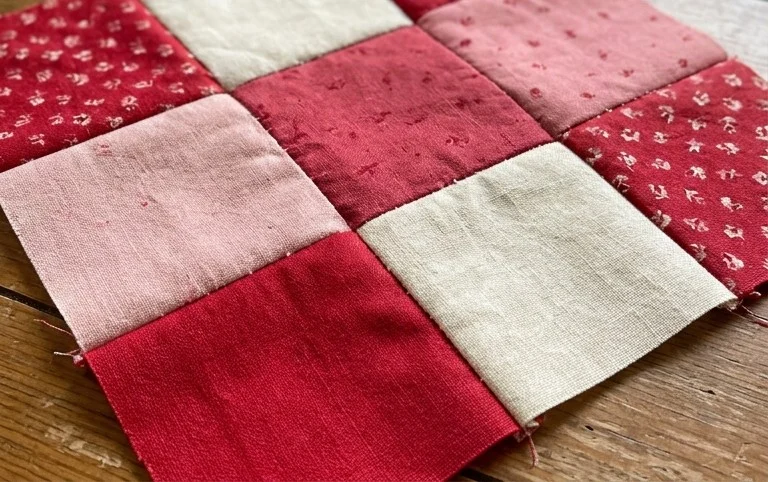
When the nine squares come together, you’ll have a neat, quilt-inspired block with a handmade texture that looks good on its own or as part of a larger project. For a simple variation, try one neutral shade for the outer patches and a brighter color in the center. Keep your stitch count steady as you work, and check that the pieces are close in size before joining so the finished grid lies flat. If you make a block, share a photo on Pinterest or your favorite social platform; it’s always lovely to see the colors other makers choose. Then browse the blog for more free crochet patterns to add to your project list.